UI / UX Design
Global S.L.P. — Livestock Certification Platform
End to end UX design for a global livestock certification platform with five distinct user roles: Producer, Company, Certification Body, Auditor, and Reviewer, operating across 20+ countries. Covers multi role workflow design, trust centred UX, multilingual component system, and field use auditor interface.
Year :
2024
Industry :
AgriTech / Compliance & Certification
Client :
Global S.L.P. ( Spain )

Project Overview :
GLOBAL S.L.P. is a digital platform built around a global standard for livestock certification—ensuring safety, ethical practices, and sustainability across production. The platform helps producers and certifiers comply with sustainable agariculture standards, submit required documentation, get certified, and trust the process by being transparent.
Certification Bodies currently operating on the platform include organisations in: Spain, Portugal, Italy, Netherlands, Czech Republic, Slovakia, Croatia, Lithuania, Hungary, Romania, Poland, Slovenia, Brazil, Argentina, Uruguay, Vietnam, Thailand, India, Australia, and more.
My responsibilities:
Mapping the end to end certification workflow across all five user roles and designing each role's experience independently within one coherent system
Identifying and resolving the five core design conflicts created by the multi role structure
Designing the handoff interface between Auditor and Reviewer, the most complex UX problem on the project
Building a multilingual ready component system for a platform operating across 20+ countries
Running feedback loops with domain expert clients, producers and certifiers, to validate workflow accuracy against GLOBALG.A.P. standards
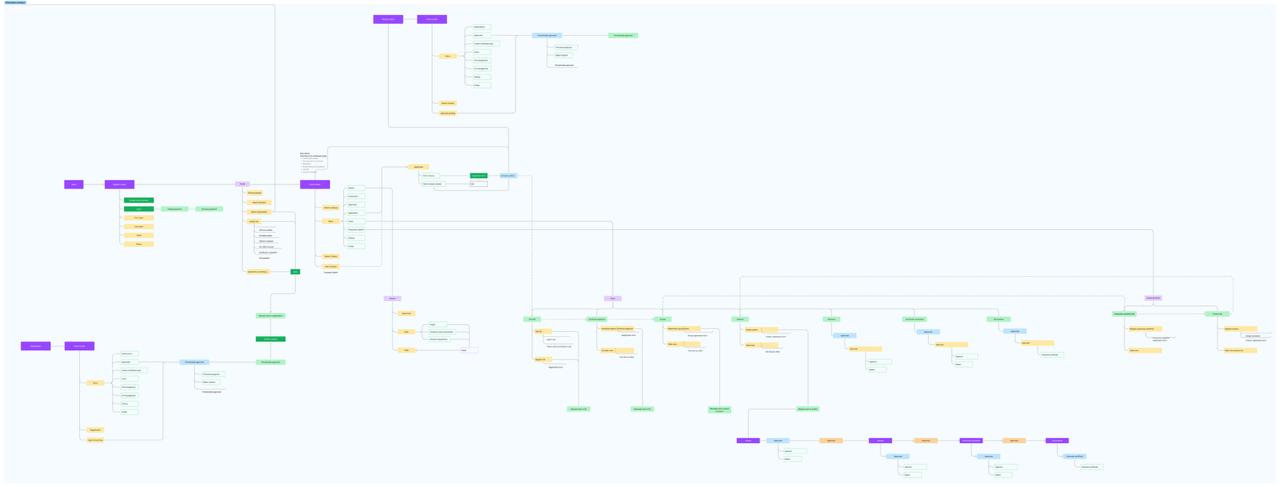
Note : This user flow is a generalized representation of the actual process. Specific steps and system details have been intentionally omitted
Note : This user flow is a generalized representation of the actual process. Specific steps and system details have been intentionally omitted
Note : This user flow is a generalized representation of the actual process. Specific steps and system details have been intentionally omitted
UNDERSTANDING THE PLATFORM: A COMPLIANCE OPERATING SYSTEM
GLOBAL S.L.P. manages and enhances the Integrated Farm Assurance standard first developed by GLOBALG.A.P. — an internationally recognised certification that determines whether a livestock producer's meat or dairy can access global markets.
Getting certified is not a simple process. It involves a Producer preparing and submitting compliance documentation, an Auditor physically visiting the farm to conduct an on-site inspection, a Reviewer assessing both the submitted documents and the audit findings, and a Certification Body making the final approval decision — with a Company overseeing all of this across multiple producers simultaneously.
What made it genuinely hard: This isn't a platform where five roles use the same interface with different permissions. These are five people with completely different jobs, different contexts, different technical capabilities, different languages, and different definitions of what "the platform" is for. A Producer in rural Spain using the platform on a laptop at home. An Auditor walking through a livestock facility in Brazil logging findings on a tablet. A Reviewer in an office comparing field notes against submitted documents. A Certification Body administrator managing 50 active applications. A Company headquarters tracking certification status across 200 producers in 8 countries.
One platform. Five completely different realities.
MAPPING THE WORKFLOW CHAIN BEFORE TOUCHING FIGMA
The first thing I did on this project — before any screen design — was map the complete certification workflow as a sequential chain, identifying every handoff point between roles.
The chain looks like this:
Producer applies and submits documentation → Certification Body receives application and assigns an Auditor → Auditor conducts on-site inspection and logs findings → Reviewer receives audit findings + original documents, reviews both, and makes a recommendation → Certification Body makes final approval decision → Producer receives certificate → Company monitors status across all their producers throughout
This mapping exercise revealed something critical. The platform's biggest failure points were not within individual roles but between them. A Producer could miss a required document, a Reviewer could struggle to compare audit findings with submitted documents, a Certification Body might lack the context behind a Reviewer's recommendation, or a Company might not know which Producers required immediate action.
Every major design decision on this project was made to protect a handoff point.
THE FIVE ROLES: WHAT EACH PERSON ACTUALLY NEEDED
Producer: Simple, guided experience
Producers use the platform infrequently and often in a second language. The experience was designed to reduce uncertainty with a guided workflow, a document checklist before starting, clear progress stages, and actionable error messages.
Company: Portfolio management
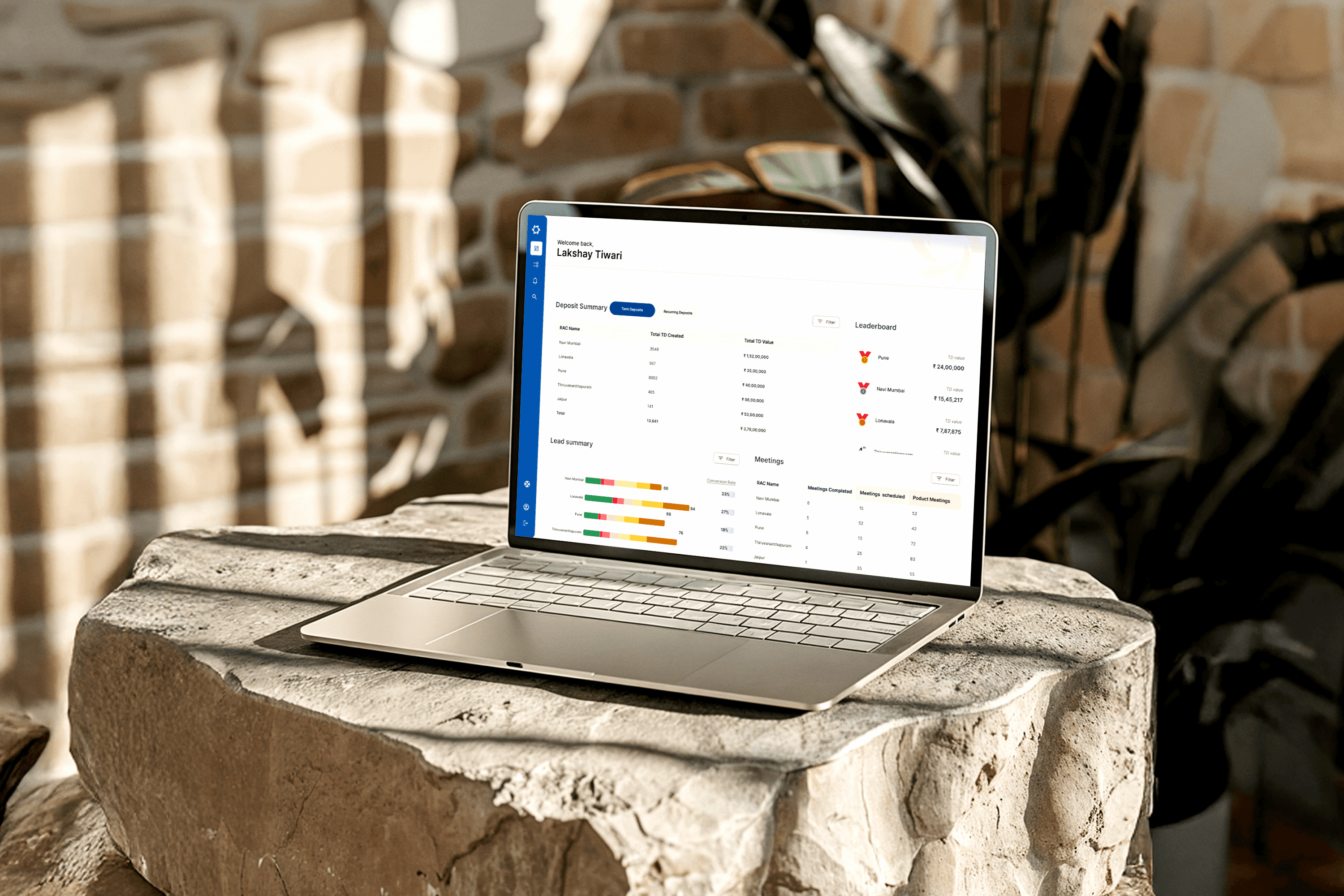
Companies manage multiple Producers and need a high level view of certification progress. The interface shows application status, renewals, and actions required while protecting individual Producer data.
Certification Body: Managing the workflow
Certification Bodies assign Auditors, monitor applications, and make final certification decisions. An action focused dashboard highlights applications requiring attention, while mandatory comments create a complete audit trail for every decision.
Auditor: Built for field work
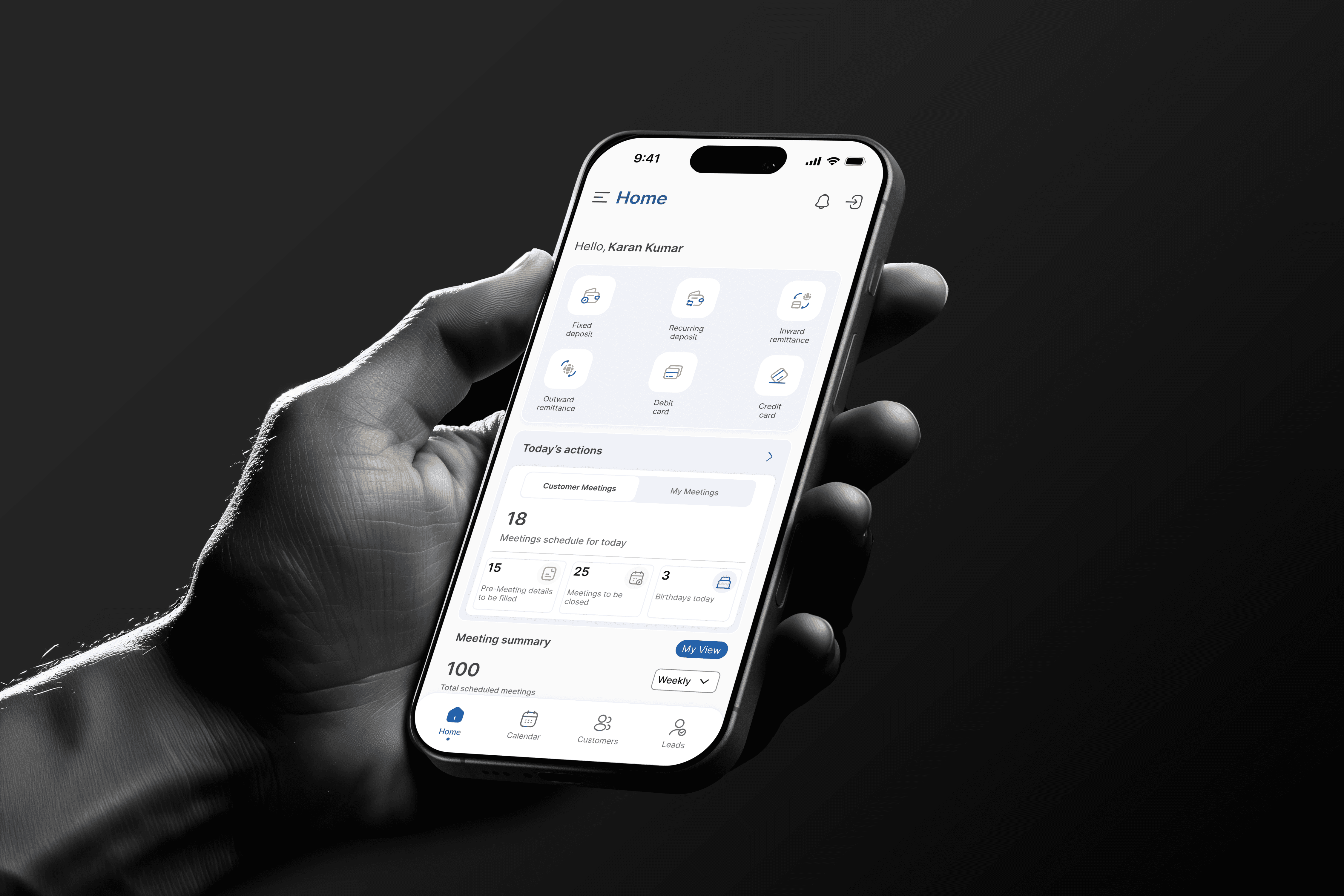
Auditors conduct inspections on farms using mobile devices. The interface was designed with inspection checklists, integrated photo capture, large touch targets, automatic saving, and offline support if available.
Reviewer: Comparing evidence
Reviewers compare Producer documents with Auditor findings before making a recommendation. A split panel layout allows both sources to be viewed side by side, reducing context switching and making reviews faster and more accurate.
MULTILINGUAL DESIGN FOR 20+ COUNTRIES
A platform operating across Spain, Brazil, Vietnam, Italy, Netherlands, Czech Republic, and 15+ additional countries cannot treat language as a feature to add after the interface is designed. I built the component system with translation variance as a structural constraint from the first component:
All UI containers use flexible widths — compliance terminology in Spanish and German consistently runs 30–50% longer than English equivalents and cannot be truncated without legal risk
All button labels are sized for up to 40% character expansion beyond English length — tested against Spanish, Portuguese, Italian, and Dutch translations of the most common action labels
Error messages follow a consistent three-part structure — what happened, why it happened, what to do — so they translate accurately without losing actionability across languages
All form field labels use persistent visible labels rather than placeholder-only text — placeholders disappear on input, which is especially disorienting for users completing compliance forms in a second language
Instructional content uses plain language throughout — compliance terminology that must be accurate is retained, but all surrounding guidance is written at the clearest possible level and reviewed with non-expert participants [verify if this review happened]


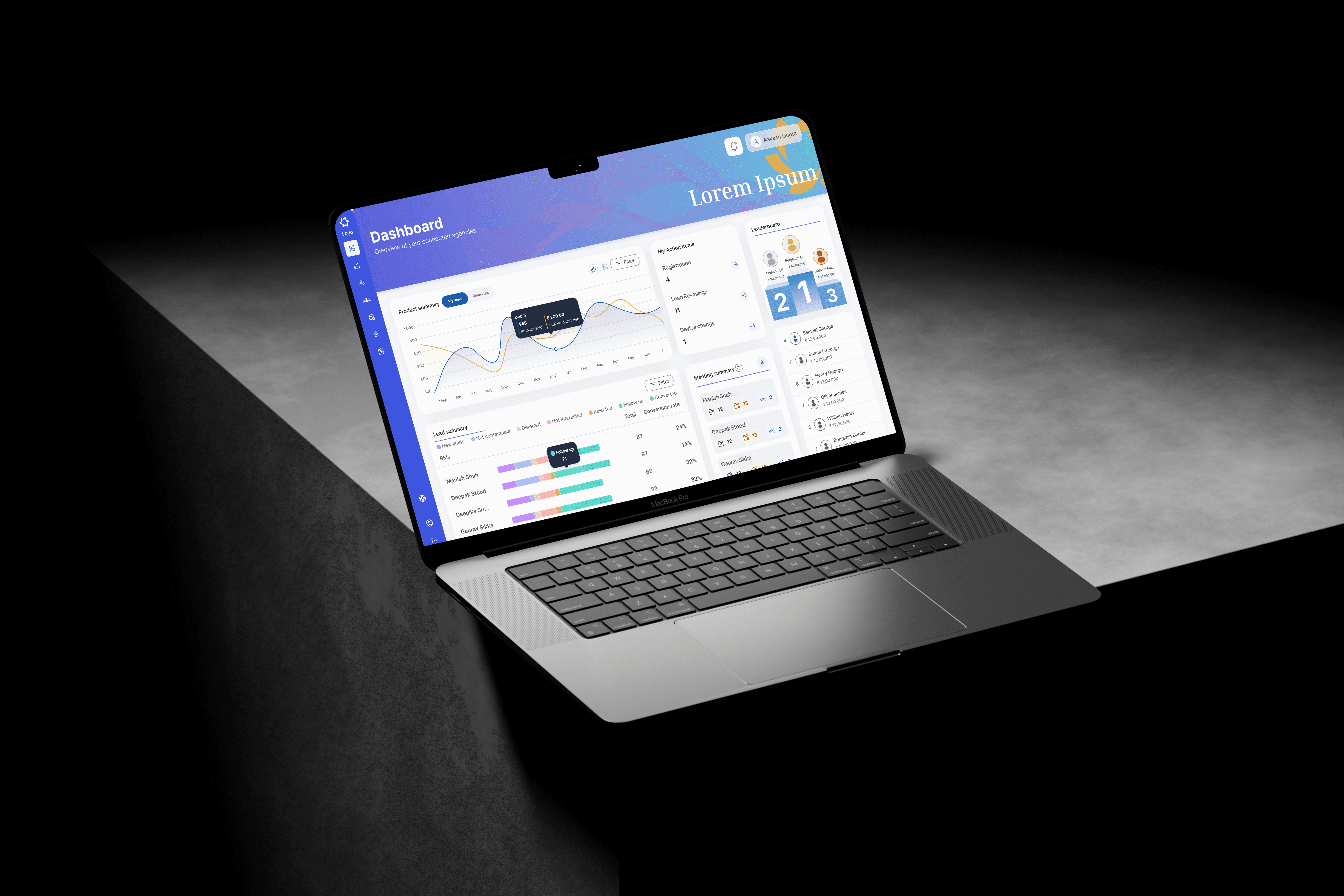
Note : Design screens have been recreated for portfolio purposes. Original confidential UI has been omitted
Note : Design screens have been recreated for portfolio purposes. Original confidential UI has been omitted
ACCESSIBILITY ACROSS FIVE VERY DIFFERENT USE CONTEXTS
Five roles means five different physical and cognitive contexts — each with distinct accessibility implications:
Producer: Variable technical literacy, second-language use common, potentially older users in agricultural contexts. All instructional text written at plain language standard. All error messages actionable, not technical. WCAG 2.1 AA contrast throughout
Auditor: Outdoor use, mobile device, gloves possible, variable light. Touch targets sized at 48×48px minimum. High contrast components for outdoor legibility. Auto-save on every input to prevent data loss on connectivity drop
Reviewer: Extended desktop sessions comparing two data streams. Minimum 14px font across all content. Split-panel layout reduces cognitive switching load — an accessibility principle as much as a UX one
Certification Body: High-volume processing, keyboard-heavy workflow common in compliance environments. All primary actions fully keyboard-navigable. Status indicators use text label alongside colour coding — never colour alone
Company: Cross-country portfolio oversight, potentially non-technical management users. Status dashboard uses simple language and visual hierarchy rather than compliance terminology. Aggregate numbers, not raw data tables


Note : Design screens have been recreated for portfolio purposes. Original confidential UI has been omitted
Note : Design screens have been recreated for portfolio purposes. Original confidential UI has been omitted
Outcomes :
The platform currently serves producers, certifiers, auditors, reviewers, and company administrators across 20+ countries.
Scale achieved:
30,000+ producers registered and using the Producer workflow
20,000+ certifications issued through the end-to-end five-role process
Certification bodies operating across Europe (Spain, Portugal, Italy, Netherlands, Czech Republic), South America (Brazil, Uruguay, Argentina), Asia (Vietnam, Thailand, India, Australia), Middle East, and Africa
What the scale proves about the design: 30,000 producers completed a guided compliance workflow in multiple languages, submitting documentation that met the standards required for Auditor review and Reviewer assessment. 20,000 of those workflows completed the entire five role chain, from Producer submission through Auditor inspection, Reviewer assessment, and Certification Body approval, resulting in issued certificates. At global scale, across five roles and 20+ countries, the workflow remained reliable.
Specific design decisions I can attribute to outcomes:
The pre flight checklist directly reduced mid flow abandonment by addressing the most common drop off cause before it occurred.
The Reviewer split panel layout reduced the cognitive load of cross referencing two data sources, confirmed in feedback sessions where Reviewers described the previous process as "switching between tabs and losing track."
The Company portfolio view enabled managers overseeing large producer networks to identify producers requiring action without opening individual applications.
The role contextualised status system ensured each user type saw only the information relevant to their next decision, rather than every piece of information in the system.
What I'd do differently: I would instrument stage by stage funnel analytics for the Producer flow from day one. Knowing exactly where drop off occurred, and in which language context, would have enabled targeted optimisation that could otherwise only be inferred from feedback sessions. At 30,000 users across 20 countries, even a 3% improvement in completion rate at a single stage represents nearly a thousand additional certifications.
More Projects


UI / UX Design
Global S.L.P. — Livestock Certification Platform
End to end UX design for a global livestock certification platform with five distinct user roles: Producer, Company, Certification Body, Auditor, and Reviewer, operating across 20+ countries. Covers multi role workflow design, trust centred UX, multilingual component system, and field use auditor interface.
Year :
2024
Industry :
AgriTech / Compliance & Certification
Client :
Global S.L.P. ( Spain )
Project Overview :
GLOBAL S.L.P. is a digital platform built around a global standard for livestock certification—ensuring safety, ethical practices, and sustainability across production. The platform helps producers and certifiers comply with sustainable agariculture standards, submit required documentation, get certified, and trust the process by being transparent.
Certification Bodies currently operating on the platform include organisations in: Spain, Portugal, Italy, Netherlands, Czech Republic, Slovakia, Croatia, Lithuania, Hungary, Romania, Poland, Slovenia, Brazil, Argentina, Uruguay, Vietnam, Thailand, India, Australia, and more.
My responsibilities:
Mapping the end to end certification workflow across all five user roles and designing each role's experience independently within one coherent system
Identifying and resolving the five core design conflicts created by the multi role structure
Designing the handoff interface between Auditor and Reviewer, the most complex UX problem on the project
Building a multilingual ready component system for a platform operating across 20+ countries
Running feedback loops with domain expert clients, producers and certifiers, to validate workflow accuracy against GLOBALG.A.P. standards
Note : This user flow is a generalized representation of the actual process. Specific steps and system details have been intentionally omitted
Note : This user flow is a generalized representation of the actual process. Specific steps and system details have been intentionally omitted
Note : This user flow is a generalized representation of the actual process. Specific steps and system details have been intentionally omitted
UNDERSTANDING THE PLATFORM: A COMPLIANCE OPERATING SYSTEM
GLOBAL S.L.P. manages and enhances the Integrated Farm Assurance standard first developed by GLOBALG.A.P. — an internationally recognised certification that determines whether a livestock producer's meat or dairy can access global markets.
Getting certified is not a simple process. It involves a Producer preparing and submitting compliance documentation, an Auditor physically visiting the farm to conduct an on-site inspection, a Reviewer assessing both the submitted documents and the audit findings, and a Certification Body making the final approval decision — with a Company overseeing all of this across multiple producers simultaneously.
What made it genuinely hard: This isn't a platform where five roles use the same interface with different permissions. These are five people with completely different jobs, different contexts, different technical capabilities, different languages, and different definitions of what "the platform" is for. A Producer in rural Spain using the platform on a laptop at home. An Auditor walking through a livestock facility in Brazil logging findings on a tablet. A Reviewer in an office comparing field notes against submitted documents. A Certification Body administrator managing 50 active applications. A Company headquarters tracking certification status across 200 producers in 8 countries.
One platform. Five completely different realities.
MAPPING THE WORKFLOW CHAIN BEFORE TOUCHING FIGMA
The first thing I did on this project — before any screen design — was map the complete certification workflow as a sequential chain, identifying every handoff point between roles.
The chain looks like this:
Producer applies and submits documentation → Certification Body receives application and assigns an Auditor → Auditor conducts on-site inspection and logs findings → Reviewer receives audit findings + original documents, reviews both, and makes a recommendation → Certification Body makes final approval decision → Producer receives certificate → Company monitors status across all their producers throughout
This mapping exercise revealed something critical. The platform's biggest failure points were not within individual roles but between them. A Producer could miss a required document, a Reviewer could struggle to compare audit findings with submitted documents, a Certification Body might lack the context behind a Reviewer's recommendation, or a Company might not know which Producers required immediate action.
Every major design decision on this project was made to protect a handoff point.
THE FIVE ROLES: WHAT EACH PERSON ACTUALLY NEEDED
Producer: Simple, guided experience
Producers use the platform infrequently and often in a second language. The experience was designed to reduce uncertainty with a guided workflow, a document checklist before starting, clear progress stages, and actionable error messages.
Company: Portfolio management
Companies manage multiple Producers and need a high level view of certification progress. The interface shows application status, renewals, and actions required while protecting individual Producer data.
Certification Body: Managing the workflow
Certification Bodies assign Auditors, monitor applications, and make final certification decisions. An action focused dashboard highlights applications requiring attention, while mandatory comments create a complete audit trail for every decision.
Auditor: Built for field work
Auditors conduct inspections on farms using mobile devices. The interface was designed with inspection checklists, integrated photo capture, large touch targets, automatic saving, and offline support if available.
Reviewer: Comparing evidence
Reviewers compare Producer documents with Auditor findings before making a recommendation. A split panel layout allows both sources to be viewed side by side, reducing context switching and making reviews faster and more accurate.
MULTILINGUAL DESIGN FOR 20+ COUNTRIES
A platform operating across Spain, Brazil, Vietnam, Italy, Netherlands, Czech Republic, and 15+ additional countries cannot treat language as a feature to add after the interface is designed. I built the component system with translation variance as a structural constraint from the first component:
All UI containers use flexible widths — compliance terminology in Spanish and German consistently runs 30–50% longer than English equivalents and cannot be truncated without legal risk
All button labels are sized for up to 40% character expansion beyond English length — tested against Spanish, Portuguese, Italian, and Dutch translations of the most common action labels
Error messages follow a consistent three-part structure — what happened, why it happened, what to do — so they translate accurately without losing actionability across languages
All form field labels use persistent visible labels rather than placeholder-only text — placeholders disappear on input, which is especially disorienting for users completing compliance forms in a second language
Instructional content uses plain language throughout — compliance terminology that must be accurate is retained, but all surrounding guidance is written at the clearest possible level and reviewed with non-expert participants [verify if this review happened]
Note : Design screens have been recreated for portfolio purposes. Original confidential UI has been omitted
Note : Design screens have been recreated for portfolio purposes. Original confidential UI has been omitted
ACCESSIBILITY ACROSS FIVE VERY DIFFERENT USE CONTEXTS
Five roles means five different physical and cognitive contexts — each with distinct accessibility implications:
Producer: Variable technical literacy, second-language use common, potentially older users in agricultural contexts. All instructional text written at plain language standard. All error messages actionable, not technical. WCAG 2.1 AA contrast throughout
Auditor: Outdoor use, mobile device, gloves possible, variable light. Touch targets sized at 48×48px minimum. High contrast components for outdoor legibility. Auto-save on every input to prevent data loss on connectivity drop
Reviewer: Extended desktop sessions comparing two data streams. Minimum 14px font across all content. Split-panel layout reduces cognitive switching load — an accessibility principle as much as a UX one
Certification Body: High-volume processing, keyboard-heavy workflow common in compliance environments. All primary actions fully keyboard-navigable. Status indicators use text label alongside colour coding — never colour alone
Company: Cross-country portfolio oversight, potentially non-technical management users. Status dashboard uses simple language and visual hierarchy rather than compliance terminology. Aggregate numbers, not raw data tables
Note : Design screens have been recreated for portfolio purposes. Original confidential UI has been omitted
Note : Design screens have been recreated for portfolio purposes. Original confidential UI has been omitted
Outcomes :
The platform currently serves producers, certifiers, auditors, reviewers, and company administrators across 20+ countries.
Scale achieved:
30,000+ producers registered and using the Producer workflow
20,000+ certifications issued through the end-to-end five-role process
Certification bodies operating across Europe (Spain, Portugal, Italy, Netherlands, Czech Republic), South America (Brazil, Uruguay, Argentina), Asia (Vietnam, Thailand, India, Australia), Middle East, and Africa
What the scale proves about the design: 30,000 producers completed a guided compliance workflow in multiple languages, submitting documentation that met the standards required for Auditor review and Reviewer assessment. 20,000 of those workflows completed the entire five role chain, from Producer submission through Auditor inspection, Reviewer assessment, and Certification Body approval, resulting in issued certificates. At global scale, across five roles and 20+ countries, the workflow remained reliable.
Specific design decisions I can attribute to outcomes:
The pre flight checklist directly reduced mid flow abandonment by addressing the most common drop off cause before it occurred.
The Reviewer split panel layout reduced the cognitive load of cross referencing two data sources, confirmed in feedback sessions where Reviewers described the previous process as "switching between tabs and losing track."
The Company portfolio view enabled managers overseeing large producer networks to identify producers requiring action without opening individual applications.
The role contextualised status system ensured each user type saw only the information relevant to their next decision, rather than every piece of information in the system.
What I'd do differently: I would instrument stage by stage funnel analytics for the Producer flow from day one. Knowing exactly where drop off occurred, and in which language context, would have enabled targeted optimisation that could otherwise only be inferred from feedback sessions. At 30,000 users across 20 countries, even a 3% improvement in completion rate at a single stage represents nearly a thousand additional certifications.
More Projects
UI / UX Design
Global S.L.P. — Livestock Certification Platform
End to end UX design for a global livestock certification platform with five distinct user roles: Producer, Company, Certification Body, Auditor, and Reviewer, operating across 20+ countries. Covers multi role workflow design, trust centred UX, multilingual component system, and field use auditor interface.
Year :
2024
Industry :
AgriTech / Compliance & Certification
Client :
Global S.L.P. ( Spain )
Project Overview :
GLOBAL S.L.P. is a digital platform built around a global standard for livestock certification—ensuring safety, ethical practices, and sustainability across production. The platform helps producers and certifiers comply with sustainable agariculture standards, submit required documentation, get certified, and trust the process by being transparent.
Certification Bodies currently operating on the platform include organisations in: Spain, Portugal, Italy, Netherlands, Czech Republic, Slovakia, Croatia, Lithuania, Hungary, Romania, Poland, Slovenia, Brazil, Argentina, Uruguay, Vietnam, Thailand, India, Australia, and more.
My responsibilities:
Mapping the end to end certification workflow across all five user roles and designing each role's experience independently within one coherent system
Identifying and resolving the five core design conflicts created by the multi role structure
Designing the handoff interface between Auditor and Reviewer, the most complex UX problem on the project
Building a multilingual ready component system for a platform operating across 20+ countries
Running feedback loops with domain expert clients, producers and certifiers, to validate workflow accuracy against GLOBALG.A.P. standards
Note : This user flow is a generalized representation of the actual process. Specific steps and system details have been intentionally omitted
Note : This user flow is a generalized representation of the actual process. Specific steps and system details have been intentionally omitted
Note : This user flow is a generalized representation of the actual process. Specific steps and system details have been intentionally omitted
UNDERSTANDING THE PLATFORM: A COMPLIANCE OPERATING SYSTEM
GLOBAL S.L.P. manages and enhances the Integrated Farm Assurance standard first developed by GLOBALG.A.P. — an internationally recognised certification that determines whether a livestock producer's meat or dairy can access global markets.
Getting certified is not a simple process. It involves a Producer preparing and submitting compliance documentation, an Auditor physically visiting the farm to conduct an on-site inspection, a Reviewer assessing both the submitted documents and the audit findings, and a Certification Body making the final approval decision — with a Company overseeing all of this across multiple producers simultaneously.
What made it genuinely hard: This isn't a platform where five roles use the same interface with different permissions. These are five people with completely different jobs, different contexts, different technical capabilities, different languages, and different definitions of what "the platform" is for. A Producer in rural Spain using the platform on a laptop at home. An Auditor walking through a livestock facility in Brazil logging findings on a tablet. A Reviewer in an office comparing field notes against submitted documents. A Certification Body administrator managing 50 active applications. A Company headquarters tracking certification status across 200 producers in 8 countries.
One platform. Five completely different realities.
MAPPING THE WORKFLOW CHAIN BEFORE TOUCHING FIGMA
The first thing I did on this project — before any screen design — was map the complete certification workflow as a sequential chain, identifying every handoff point between roles.
The chain looks like this:
Producer applies and submits documentation → Certification Body receives application and assigns an Auditor → Auditor conducts on-site inspection and logs findings → Reviewer receives audit findings + original documents, reviews both, and makes a recommendation → Certification Body makes final approval decision → Producer receives certificate → Company monitors status across all their producers throughout
This mapping exercise revealed something critical. The platform's biggest failure points were not within individual roles but between them. A Producer could miss a required document, a Reviewer could struggle to compare audit findings with submitted documents, a Certification Body might lack the context behind a Reviewer's recommendation, or a Company might not know which Producers required immediate action.
Every major design decision on this project was made to protect a handoff point.
THE FIVE ROLES: WHAT EACH PERSON ACTUALLY NEEDED
Producer: Simple, guided experience
Producers use the platform infrequently and often in a second language. The experience was designed to reduce uncertainty with a guided workflow, a document checklist before starting, clear progress stages, and actionable error messages.
Company: Portfolio management
Companies manage multiple Producers and need a high level view of certification progress. The interface shows application status, renewals, and actions required while protecting individual Producer data.
Certification Body: Managing the workflow
Certification Bodies assign Auditors, monitor applications, and make final certification decisions. An action focused dashboard highlights applications requiring attention, while mandatory comments create a complete audit trail for every decision.
Auditor: Built for field work
Auditors conduct inspections on farms using mobile devices. The interface was designed with inspection checklists, integrated photo capture, large touch targets, automatic saving, and offline support if available.
Reviewer: Comparing evidence
Reviewers compare Producer documents with Auditor findings before making a recommendation. A split panel layout allows both sources to be viewed side by side, reducing context switching and making reviews faster and more accurate.
MULTILINGUAL DESIGN FOR 20+ COUNTRIES
A platform operating across Spain, Brazil, Vietnam, Italy, Netherlands, Czech Republic, and 15+ additional countries cannot treat language as a feature to add after the interface is designed. I built the component system with translation variance as a structural constraint from the first component:
All UI containers use flexible widths — compliance terminology in Spanish and German consistently runs 30–50% longer than English equivalents and cannot be truncated without legal risk
All button labels are sized for up to 40% character expansion beyond English length — tested against Spanish, Portuguese, Italian, and Dutch translations of the most common action labels
Error messages follow a consistent three-part structure — what happened, why it happened, what to do — so they translate accurately without losing actionability across languages
All form field labels use persistent visible labels rather than placeholder-only text — placeholders disappear on input, which is especially disorienting for users completing compliance forms in a second language
Instructional content uses plain language throughout — compliance terminology that must be accurate is retained, but all surrounding guidance is written at the clearest possible level and reviewed with non-expert participants [verify if this review happened]
Note : Design screens have been recreated for portfolio purposes. Original confidential UI has been omitted
Note : Design screens have been recreated for portfolio purposes. Original confidential UI has been omitted
ACCESSIBILITY ACROSS FIVE VERY DIFFERENT USE CONTEXTS
Five roles means five different physical and cognitive contexts — each with distinct accessibility implications:
Producer: Variable technical literacy, second-language use common, potentially older users in agricultural contexts. All instructional text written at plain language standard. All error messages actionable, not technical. WCAG 2.1 AA contrast throughout
Auditor: Outdoor use, mobile device, gloves possible, variable light. Touch targets sized at 48×48px minimum. High contrast components for outdoor legibility. Auto-save on every input to prevent data loss on connectivity drop
Reviewer: Extended desktop sessions comparing two data streams. Minimum 14px font across all content. Split-panel layout reduces cognitive switching load — an accessibility principle as much as a UX one
Certification Body: High-volume processing, keyboard-heavy workflow common in compliance environments. All primary actions fully keyboard-navigable. Status indicators use text label alongside colour coding — never colour alone
Company: Cross-country portfolio oversight, potentially non-technical management users. Status dashboard uses simple language and visual hierarchy rather than compliance terminology. Aggregate numbers, not raw data tables
Note : Design screens have been recreated for portfolio purposes. Original confidential UI has been omitted
Note : Design screens have been recreated for portfolio purposes. Original confidential UI has been omitted
Outcomes :
The platform currently serves producers, certifiers, auditors, reviewers, and company administrators across 20+ countries.
Scale achieved:
30,000+ producers registered and using the Producer workflow
20,000+ certifications issued through the end-to-end five-role process
Certification bodies operating across Europe (Spain, Portugal, Italy, Netherlands, Czech Republic), South America (Brazil, Uruguay, Argentina), Asia (Vietnam, Thailand, India, Australia), Middle East, and Africa
What the scale proves about the design: 30,000 producers completed a guided compliance workflow in multiple languages, submitting documentation that met the standards required for Auditor review and Reviewer assessment. 20,000 of those workflows completed the entire five role chain, from Producer submission through Auditor inspection, Reviewer assessment, and Certification Body approval, resulting in issued certificates. At global scale, across five roles and 20+ countries, the workflow remained reliable.
Specific design decisions I can attribute to outcomes:
The pre flight checklist directly reduced mid flow abandonment by addressing the most common drop off cause before it occurred.
The Reviewer split panel layout reduced the cognitive load of cross referencing two data sources, confirmed in feedback sessions where Reviewers described the previous process as "switching between tabs and losing track."
The Company portfolio view enabled managers overseeing large producer networks to identify producers requiring action without opening individual applications.
The role contextualised status system ensured each user type saw only the information relevant to their next decision, rather than every piece of information in the system.
What I'd do differently: I would instrument stage by stage funnel analytics for the Producer flow from day one. Knowing exactly where drop off occurred, and in which language context, would have enabled targeted optimisation that could otherwise only be inferred from feedback sessions. At 30,000 users across 20 countries, even a 3% improvement in completion rate at a single stage represents nearly a thousand additional certifications.